






How to Discipline a Cat the Stress-Free Way

If your kitty is scratching furniture, peeing outside the litter box, or keeping you awake at night, you may be wondering how to discipline a cat. The good news is that most unwanted cat behaviors aren’t acts of defiance. In fact, research found that pet parents are more likely to see behaviors as problematic when they disrupt daily life, according to Applied Animal Behaviour Science. In most cases, your cat is communicating a need—not trying to misbehave.
When it comes to managing your cat’s behavior, the goal should always be guidance and not punishment. Here’s how to discipline your cat and teach better habits.
- Reward good behavior
- Redirect instead of reprimand
- Make bad habits less appealing
- Avoid punishing or yelling
- Stay consistent
Follow these tips for disciplining your cat:
Tip #1: Reward Good Behavior
Cats typically respond best to positive reinforcement! When your feline is on their best behavior, such as using a scratching post or playing gently - reward them with treats, praise, or affection. If your cat often bites or scratches while you brush them, try grooming them with a gentler grooming mitt instead of a typical brush. This will feel more like a comforting, rewarding experience (and can even help strengthen your bond with your best friend!)
.jpg?h=auto&hash=C17E5530A6BDBE0BE9BE302ED77A6106)
Tip #2: Redirect Instead of Reprimand
Instead of punishing a cat for scratching your couch, guide them to a better option like a scratching surface. Likewise, if your cat tries to bite you during playtime, replace your hands with a more interesting toy. If your cat pees in a spot they shouldn't, redirect them to the litter box or a pee pad as if you are training them to use the litter box for the first time. This approach is a core part of how to correct cat behavior successfully.
Tip #3: Make Bad Habits Less Appealing
You can help improve cat behavior problems by changing the environment. Use deterrents like tape or tin foil textures on furniture you don’t want your cat to touch. You can also use a repellent spray on the furniture and keep counters clear of food to discourage your cat from jumping on top. Cat proof your home to help reduce the chances of needing to discipline your cat in the first place.
Tip #4: Avoid Punishing or Yelling
Reprimanding a cat severely can cause fear and anxiety, and it often makes behavior worse. Gentle, consistent guidance is far more effective than more aggressive punishments like harsh language or water sprays. If you’re wondering “how do you punish a cat without causing stress?”, the answer is simple: stay calm and positive.
Tip #5: Stay Consistent
Cats learn through repetition. If you allow a behavior some times but not others, it can confuse them and slow progress. It’s also best to start teaching them positive habits when they are younger. Whether you have a senior cat or a new kitten, consistency is one of the most important parts of how to discipline a cat.
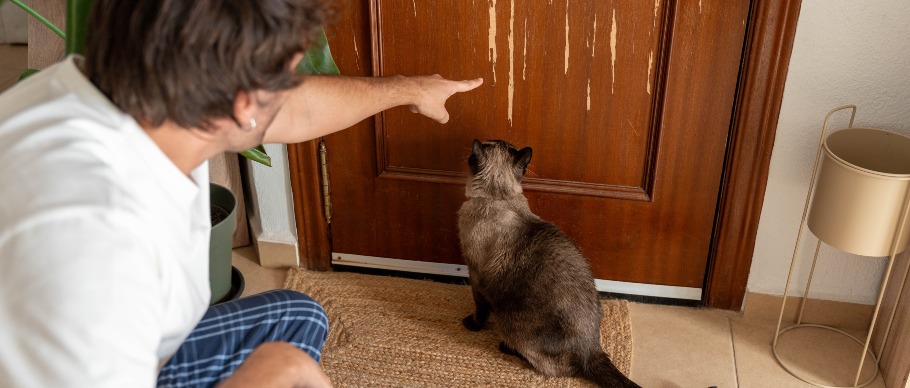
How to Correct Cat Behavior: Dos and Don’ts
Above all, the key to disciplining your cat is guidance rather than punishment. Here’s what to do—and avoid—to encourage your kitty’s best behavior.
6 Common Reasons Your Cat Is Misbehaving
Before you start punishing your cat, it’s important to understand what is causing them to act out in the first place. From scratching to biting to potty problems, there are several reasons behind your cat’s behavior:
- Natural instincts
- Litter box issues
- Stress or anxiety
- Boredom or lack of stimulation
- Attention seeking
- Learned behavior
Reason #1: Natural Instincts
Scratching, climbing, and even occasional biting are completely natural for cats. Scratching helps maintain their claws and mark territory, while playful biting is often just part of their hunting instincts. Even a quirky cat behavior like licking is a habit that cats naturally learn as kittens when their mothers groom them.Reason #2: Litter Box Issues
If your cat is peeing outside the litter box, the problem might be the box itself. Cats can be fussy when it comes to their potty spot! A dirty box, strong odors, or poor placement can all lead to accidents. If this keeps happening, you can try placing cat pads around the litter box to help reduce the mess while you troubleshoot the issue.Reason #3: Stress or Anxiety
Changes in your home—like a new furry friend, loud noises, or a shift in routine—can make your cat feel uneasy. This stress may show up as unwanted behaviors like hiding, scratching, or potty accidents. Some cats can feel stressed or uncomfortable during grooming sessions and might bite or scratch as a result.🐾 Related: How To Trim Cat Nails in 5 Easy Steps
Reason #4: Boredom or Lack of Stimulation
Cats need mental and physical activity. Without enough playtime, they may turn to scratching furniture, jumping on counters, or other attention-grabbing behaviors. It’s essential to learn how to play with your cat so they stay engaged, enriched, and less likely to act out.Reason #5: Attention Seeking
Sometimes your cat just wants you! If they’re biting, scratching, or acting out while you’re nearby, they may be trying to get your attention. Cats can get lonely, and misbehaving could be their way of communicating that they need quality time with their favorite person or even another furry friend.Reason #6: Learned Behavior
If a bad behavior gets a reaction (even a negative one), your cat may keep doing it. Inconsistent responses can reinforce unwanted habits, which is why consistency is key when learning how to reprimand a cat effectively.When to Be Concerned About Your Cat’s Behavior
Some behaviors can signal a bigger health issue. If something seems off, it’s always best to check with your veterinarian. Keep an eye out for:
- Sudden changes in behavior
- Frequent accidents outside the litter box
- Aggression or excessive biting
- Signs of stress or fear
- Changes in appetite or energy
If you notice any of these signs or suspect your cat is in distress, consult your veterinarian.
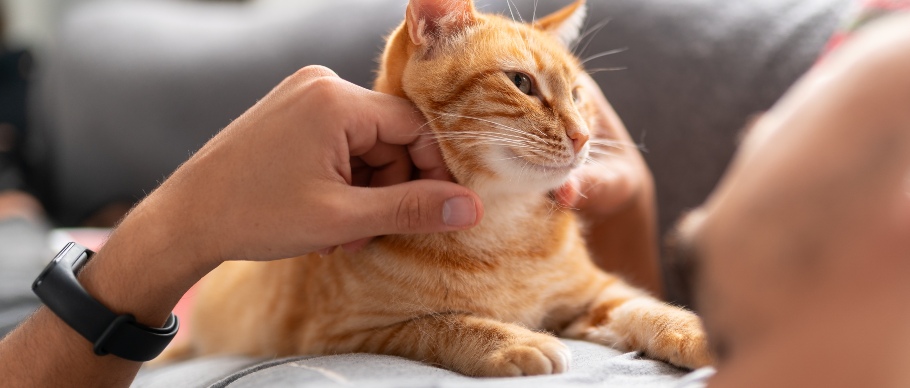
Paw-sitive Reinforcement
Learning how to discipline a cat is really about understanding their needs and guiding them with patience, not punishment. By focusing on positive reinforcement, redirection, and consistency, you can help your cat develop better habits while strengthening your bond. With time and the right approach, both you and your cat can enjoy a happier, more harmonious home!FAQs: How to Discipline a Cat
How do you discipline a cat without punishment?
Focus on redirection and positive reinforcement. Reward good behavior and guide your cat toward appropriate alternatives instead of reacting negatively.
What should you not do when disciplining a cat?
Avoid yelling, hitting, or spraying water. These methods can create fear and damage trust without solving the root problem.
How long does it take to correct bad cat behavior?
It depends on the cat and the behavior, but consistency is key. Some habits improve quickly, while others may take weeks of reinforcement.
Why is my cat suddenly misbehaving?
Sudden changes are often linked to stress, health issues, or environmental changes. If the behavior persists, consult your vet.
Is it harder to reprimand older cats?
Not necessarily! While kittens may learn faster, older cats can still adapt with patience and consistent training techniques.
