






How to Care for Your Dog's Skin Conditions & Sensitive Skin
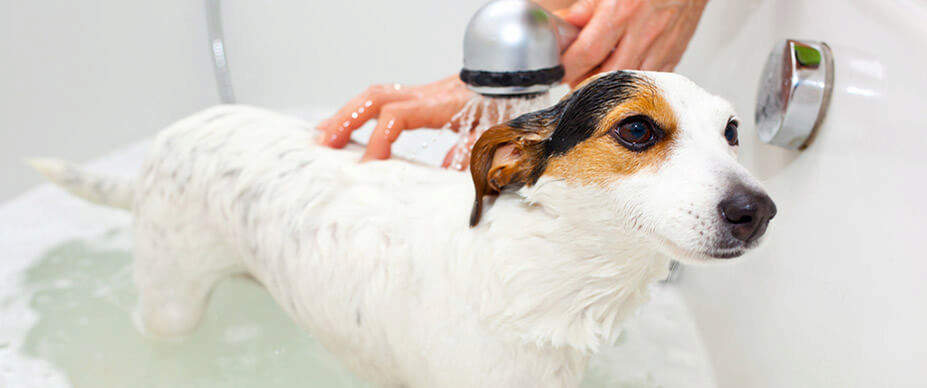
Have you noticed your dog scratching excessively or repeatedly licking one spot? Maybe you can even see dry, irritated skin or a rash. These are all signs that your pup has a skin condition that’s making them feel uncomfortable.
Dogs’ sensitive skin can become irritated from even small changes in their environment. However, with proper care for their skin and coat, you can help keep them looking and feeling their very best.
Why Do Dog Skin Conditions Develop?
Dogs may develop sensitive, irritated skin for a variety of reasons, causing a rash, itchiness, or general sensitivity. Here are some common causes:
- Flea bites or other insect bites
- Food or environmental allergies
- Sensitivity to detergents or household cleaners
- Atopic dermatitis, or eczema
- Dirty or matted hair
- Sudden weather changes
How to Care for Dog Skin Conditions: 4 Steps
To care for your dog’s sensitive skin, groom them regularly and ensure they are eating a healthy diet. Both of these measures will help maintain your best friend’s skin health.
If your dog develops any skin irritations, follow these home remedy steps to help them find relief.
Step #1: Clip Hair From the Affected Area
The first step is to trim away the hair from the affected area. This will allow the irritated skin to dry and heal. If your dog’s hair is matted, carefully clip around the mat to remove the knotted hair. Check with your vet before doing anything else if the affected area is oozing, very swollen, or otherwise looks infected.
The best trimming tool is a good pair of dog clippers with gently rounded tips to reduce the risk of pinching your dog’s skin.
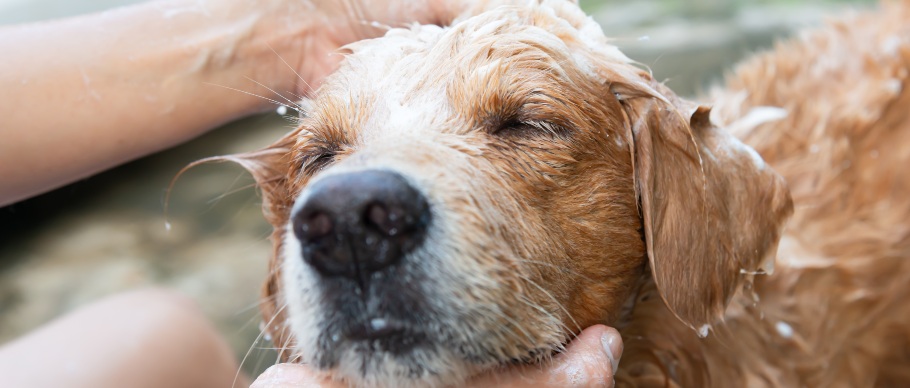
Step 2: Bathe Them with a Gentle Dog Shampoo
Next, gently wash your dog to remove any irritants and soothe their skin. Use lukewarm water and shampoo against the direction of hair growth to stimulate their skin and encourage circulation. Work in the shampoo by massaging your dog with a bathing glove or brush to provide a deep, gentle clean.
Believe it or not, dogs have more sensitive skin than humans do, so it’s important to use products especially designed for them. Choose a gentle dog shampoo for sensitive skin or a medicated shampoo made for treating dog skin allergies. Oatmeal-based dog shampoos are particularly effective at providing itch relief for dogs. Follow up with a moisturizing conditioner, rinse well, and dry them with a towel.
After the bath, gently clean and soothe irritated skin with an anti-itch spray made for dogs. Look for ingredients like aloe vera to moisturize itchy and dry dog skin, witch hazel to help reduce irritation, and tea tree oil to help reduce inflammation.
You may have heard that frequent bathing strips a dog’s skin of its natural oils, but a gentle canine shampoo with conditioner is actually good for your dog’s skin. Many more problems are created by bathing too infrequently than the other way around.
Step #3: Brush and Groom Them Regularly
One of the best ways to prevent dog skin irritation from developing in the first place is to groom your dog every day. This will not only stimulate the skin and prevent matting, but also help remove pollens, grasses, burrs, and other irritants.
Gently brush your pup thoroughly right down to the skin using a soft-bristled brush for longer coats or a curry brush for shorter coats. Brushing helps evenly distribute the natural oils from your dog’s skin across their coat, and it provides a nice massage as well!

Step #4: Feed Them Dog Food for Sensitive Skin
A poor diet can contribute to skin problems, so be sure to feed your dog healthy, balanced meals. Many dogs react to ingredients like grains or chicken, so a dog with sensitive skin can often benefit from switching to a limited-ingredient or hypoallergenic diet.
If your dog’s skin allergies are severe, speak with your veterinarian. Prescription dog food for sensitive skin is available, and your vet may have other suggestions for antihistamines or other medications.
No More Itch!
With regular grooming, gentle bathing, and a skin-friendly diet, most mild dog skin conditions can be managed at home. Keep an eye out for dog skin rashes, hot spots, or dry dog skin making your pup feel uncomfortable or causing them to scratch themselves excessively. If your dog’s skin doesn’t improve or worsens, always consult your veterinarian for personalized care.
